11/13/2015

Schizandra, the Five Elements Aphrodisiac

Leave a Comment
wu wei zi schizandra

Schizandra Sinensis is a woody vine with clusters of red berries that is found in northern and northeastern China and adjacent regions in Russia and Korea. It is used to treat a variety of medical conditions and is widely known as a longevity herb and aphrodisiac. It is used to treat lung and liver disorders, coughs, to relieve fatigue, depression and stress, increase stamina and for insomnia and night sweats.

The Chinese (pinyin) name Wu Wei Zi means "five flavor berries". It is used in Traditional Chinese Medicine. Schizandra berries are highly esteemed and the plant is one of the "50 fundamental herbs". Some of the many ways they are used are as a hepatoprotectant and liver detoxifier, to resist infections, as an adaptogen and as a general tonic. There is some scientific evidence to show that schizandra berries may help people with hepatitis.

Schizandra began to appear in Western literature around the beginning of the 19th century, and it shows up in botanical works of the period. The earliest mention of it can be found in the 1803 Flora boreali-americana of Andreas Michaux.

None of these early works mention any aphrodisiac quality of Schizandra. However, at the turn of the 20th century, things begin to change: in the 1904 China: Catalogue of the Collection of Chinese Exhibits at the Louisiana Purchase Exposition, Schizandra berries are described as follows:
"Exhibit 128 - Fruit of Schizandra Chinensis. The small red berries are wrinkled, uniform in shape and contain two reddish-yellow crescent seeds. Tonic, aphrodisiac, pectoral and lenitive properties are ascribed to this plant."

This interesting discovery shows us fairly conclusively that the aphrodisiac qualities ascribed to Schizandra are not mere modern invention, and that it was clearly in use for such purpose in 1904.

Going further back, it would appear that this information has older roots (as one would expect from an herb used in Traditional Chinese Medicine!) In the 1973 version of Chinese medicinal herbs: a modern edition of a classic sixteenth-century manual by Shizhen Li, Porter Smith and George Arthur Stuart; we find an entry for Schizandra chinensis. Sure enough, the exact same phrase is there, clearly borrowed: "Tonic, aphrodisiac, pectoral and lenitive properties are ascribed to this plant."

Another interesting statement is that the plant, which is said to have all of the "five flavors", is believed to contain the "quintessence of the five elements" (wood, fire, earth, metal, water). This is quite a testament to the esteem with which the plant was held. The Chinese Medicinal Herbs is a translation of the Bencao Gangmu of 1578 - also known as the Compenium of Materia Medica - written by Li Shizhen and considered the most complete text on Chinese Traditional Medicine ever written. Li Shizhen is said to have consulted 800 earlier reference works and devoted 30 years to field study.

Schizandra has been the subject of a relatively high number of scientific studies listed on Pubmed - with 364 entries. Many of these studies focus on a wide range of medical research - investigating whether Schizandra is for example anti-inflammatory, antioxidant, have anti-cancer properties, helpful with cases of tinnitus, or have effects on liver function. The sheer number of studies done on Schizandra is encouraging and something of an indicator of its medical potential. One study (1998) at the Department of Urology, Catholic University of Korea of a herbal formulation that included Schizandra chinensis showed enhancement in erectile function in male rats. The herbal formula also included Lycium chinense, Cornus officinalis, Rubus coreanus and Cuscuta chinensis.

Schizandra contains essential oils, acids and lignans which help regenerate liver tissue damaged by things like hepatitis and alcohol. Its adaptogenic action may help improve physical and mental performance, relieve fatigue and build strength. Studies have shown that schizandra is effective against the bacteria related to lung disorders. This herb provides more oxygen for the cells, increases the body's immune system and protects against stress. It also acts as an aphrodisiac, by increasing men's staying power and stimulating sensitivity in the female's genitals.
Read More...

9/20/2015

Kava Kava for Increased Orgasm

10 comments
kava kava aphrodisiac

Kava Kava (Piper methysticum) is a traditional Polynesian herb from the root of the kava tree (called waka). Herbalists use it for its mild tranquilizing effect to relax the mind and bring clarity to thoughts while soothing the temperament and inducing a mild euphoria. It is considered a natural aphrodisiac that has the effect of directly increasing sexual desire and prowess and even increasing the intensity of the sensations felt during orgasm. Kava is an approved phytomedicine in Europe used to treat anxiety and can be used in aphrodisiac formulas as a nervine to produce an effect similar to a mild herbal ecstasy.

Kava is an ancient western Pacific crop related to the black pepper – both having heart-shaped leaves and flowers similar to the flower spike of the anthurium. Kava also has a peppery taste, and has long been part of religious, political and cultural life throughout the Pacific region. The drink was the beverage of choice for the South Pacific royal families. It is believed to have originated in Melanesia, and grows abundantly in the sunny Polynesian islands. Drank for hundreds of years by native islanders, it was only during Captain Cook’s voyage to the Pacific in 1768-1771 that the white man first encountered the plant and its consumption in sacred ceremonies. According to his account, natives would chew or pound the root and mix it with water to produce a brownish, often bitter brew which they then consumed for its psychoactive properties.

In the Western world, kava is used as an herbal remedy to ease symptoms of anxiety, stress and depression. The effects of drinking kava include slight tongue and lip numbing due to the contraction of blood vessels in these areas, milk talkative and euphoric behavior, calming, a sense of well-being, clear thinking and relaxed muscles. Sleep is restful and there are no after-effects the next day.

Kava has also interestingly been employed by the military in Fiji to aid in vigilance and anxiety reduction, to provide concentration and focus, to provide muscle control before sports and music performances, to reduce anxiety associated with public speaking and other public performances, and in corporate meetings to aid in mental clarity, sociability and improved decision making.

Contrary to coffee, alcohol, and many pharmaceuticals, Kava is known to be non-addictive, and to have no tolerance buildup. Medical literature sometimes claims it has a "potential for addiction" because "it produces mild euphoria and relaxation". In a traditional setting, a moderately potent kava drink causes effects within 20–30 minutes that last for about two and a half hours, but can be felt for up to eight hours. Because of this, it is recommended to space out servings about fifteen minutes apart. Some report longer term effects up to two days after ingestion, including a feeling of mental clarity, patience, and an ease of acceptance. The effects of kava are most often compared to alcohol, or a large dose of diazepam.

The sensations, in order of appearance, are slight tongue and lip numbing (the lips and skin surrounding may appear unusually pale); mildly talkative and sociable behavior; clear thinking; calmness; relaxed muscles; and a sense of well-being. As with other drugs that affect the GABA receptors, there can also be paradoxical dysphoria. The numbing of the mouth is caused by the two kavalactones kavain and dihydrokavain which cause the contraction of the blood vessels in these areas acting as a local topical anesthetic. These anesthetics can also make one's stomach feel numb. Sometimes this feeling has been mistaken for nausea. Some report that caffeine, consumed moderately in conjunction with kava can significantly increase mental alertness.

The effects of a kava drink vary widely with the particular selection of kava plant(s) and amount. A potent drink results in a faster onset with a lack of stimulation; the user's eyes become sensitive to light; they soon become somnolent and then have deep, dreamless sleep within 30 minutes. Sleep is often restful and there are pronounced periods of sleepiness correlating to the amount and potency of kava consumed. Unlike with alcohol-induced sleep, after wakening the drinker does not experience any mental or physical after effects. However, this sleep has been reported as extremely restful and the user often wakes up more stimulated than he or she normally would (though excessive consumption of exceptionally potent brew has been known to cause pronounced sleepiness into the next day). Although heavy doses can cause deep dreamless sleep, it is reported that many people experience lighter sleep and rather vivid dreams after drinking moderate amounts of kava.

For a good reason, Kava Kava is known as the “anti-shyness” herb. One of the many amazing benefits of kava, is that it can be so relaxing without drowsiness, putting one in a more open and comfortable state, quite conducive to both initiating conversation with a potential partner or with a long time lover. It also can increase a sense of euphoria, without losing any of your wits or your faculties as alcohol so often can.

Kava can have a direct stimulating effect on the sexual organs if consumed in somewhat larger quantities. Some users attest that they experience a tingling feeling in the genitalia, when taking Kava.
Read More...

1/07/2015

Kapicacchu for Improved Sex Life

12 comments
kapicacchu aphrodisiac

Botanical Name: Mucuna Pruriens
English/Common Name: Velvet Bean, Cowhage, Cow-itch, Buffalo bean
Ayurvedic Name: Kaunch, Atmagupta, Kapikacchu
Family: Fabaceae
Part Used: Seeds / Fruits

Kapikachu (Mucuna Pruriens) enjoys an important place among aphrodisiac herbs in India since ancient times. Susruta mentions the use of the seeds as promoters of virility, as also Bhavamisra. It is categorized as visya – the substance that improves sexual vitality and functioning. Its use as an anthelmintic (capable of expelling or destroying parasitic worms) has also been mentioned in older books on traditional medicine. Yogaratnakara has a reference to its use in a formulation for tremors.

The literal meaning of the word kapikacchu is, one who scratches the body like a monkey. The surface of the pods of this climber is covered with bristles, which are allergic to the skin. On touching, it gives intensive itching sensation. Hence, aptly it has named as kapikacchu. It is also called as markati as the furred surface of its pods resembles to that of monkey’s skin.

Mucuna Pruriens is a common twiner, extensively distributed all over India, from the Himalayan foot hills and the plains of Punjab to Sri Lanka. It is a large half – woody twiner, with long slender cylindrical branches. The leaves are 15- 20 cm long, alternate, trifoliate, with ovate leaflets 7-12 cm long. The flowers large shortly stalked, in clusters and purple in color. The fruits, turgid pods, clothed with brown or grey irritant bristles. The seeds, 4-6 per pod, are black and ovoid or bean shaped, about 1 cm in diameter.

Traditionally, Mucuna Pruriens find use in number of diseases and is commonly used as carminative, hypotensive & hypoglycemic agent. From phytochemistry point of view, the drug contains L-dopa (which is very effective in the treatment of Parkinson’s disease), tryptamine alkaloids, lecithin and tannins. All these compounds are known to exist in the seeds. There were some reports that the same compounds are detected and can be extracted from its leaves and stem as well.

Mucuna Pruriens has been shown to increase testosterone levels, helps deposition of protein in the muscles and increase muscle mass and strength. The seeds, roots and the bristles on its pods have great medicinal value. It is the most commonly used ingredient in many tonics for impotency and for enhancing sexual vitality. It also works well as a restorative for conditions of debility and weakness. The extract is also known to enhance mental alertness and improve coordination.

The seed powders of kapikacchu impart very potent effect, when taken with sugar and followed by milk. It augments the seminal fluids, vitality and the vigor. The hot infusion of the seeds is an excellent panacea for premature ejaculation in men. The seeds are useful as a galactogouge in lactating mothers.

The roots of this plant are diuretic. The decoction of the roots is beneficial in renal problems and dysuria. The roots also help regulate the menstrual cycle. They are useful to enhance the sexual vigor in women. The root powder, for this purpose, mixed with sugar, ghee and honey works well. In vata diseases like facial palsy, cervical spondylosis, Parkinson’s disease, paralysis etc, the decoction of kapikacchu is rewarding.

Generally, this herb is used with amalaki, ashwagandha, shatavari, gokshura, white and black musali to make pills and jelly or gelatin capsules. The bristles of the pods, filled in gelatin capsules, are used with benefit in intestinal worm infestations, especially in round worms. The seed powder, combined with honey, is commonly used as a general tonic. In bronchial asthma, the seed powder, honey and ghee are an effective combination.

Its Ayurvedic applications include: indigestion, colic, debility, edema, impotence, infertility, leukorrhea, menorrhagia, roundworm, spermatorrhea, Parkinsons, roots-fever, edema, elephantiasis (externally), and nervous disorders (including facial paralysis).

Regarding toxicity, its adverse effects were mild and were mainly gastro-intestinal in nature. No adverse effects were seen in clinical laboratory reports.


Read More...

1/03/2015

Catuaba, an Aphrodisiac

4 comments
catuaba aphrodisiac

Family: Erythroxylaceae
Genus: Erythroxylum
Species: Catuaba
Synonyms: None
Other Species: Erythroxylum vacciniifolium, Trichilia catigua, Juniperus brasiliensis, Eriotheca candolleana, Anemopaegma mirandum
Common Names: Catuaba, cataguá, chuchuhuasha, tatuaba, pau de reposta, caramuru, piratançara, angelim-rosa, catiguá
Part Used: Bark, root


Erythroxylum catuaba is a vigorous-growing, small tree that produces yellow and orange flowers and small, dark yellow, oval-shaped, inedible fruit. It grows in the northern part of Brazil in Amazonas, Para, Pernambuco, Bahia, Maranhao, and Alagoas. This catuaba tree belongs to the family Erythroxylaceae, whose principal genus, Erythroxylum, contains several species that are sources of cocaine. Catuaba, however, contains none of the active cocaine alkaloids.

Catuaba has a long history of use in herbal medicine as an aphrodisiac. The Tupi Indians in Brazil first discovered the aphrodisiac qualities of the plant and over the last few centuries they have composed many songs praising its wonders and abilities. Indigenous and local peoples have used catuaba for generations. It is the most famous of all Brazilian aphrodisiac plants. In the Brazilian state of Minas there is a saying, "Until a father reaches 60, the son is his; after that, the son is catuaba's!"

Initially they found the herb helped to enhance libido, then they noticed its other numerous beneficial qualities: relieving pain and fatigue, controlling nervousness, improving memory, helping with depression, among others.

In Brazilian herbal medicine today, catuaba is considered a central nervous system stimulant with aphrodisiac properties. A bark decoction is commonly used for sexual impotency, agitation, nervousness, nerve pain and weakness, poor memory or forgetfulness, and sexual weakness.

Catuaba functions as a stimulant of the nervous system, above all when one deals with functional impotence of the male genital organs. It is an innocent aphrodisiac, used without any ill effects at all. In Brazil it is regarded as an aphrodisiac with "proven efficacy" and, in addition to treating impotence, it is employed for many types of nervous conditions including insomnia, hypochondria, and pain related to the central nervous system (such as sciatica and neuralgia).

In European herbal medicine catuaba is considered an aphrodisiac and a brain and nerve stimulant. A bark tea is used for sexual weakness, impotence, nervous debility, and exhaustion. Herbalists and health practitioners in the United States use catuaba in much the same way: as a tonic for genital function, as a central nervous system stimulant, for sexual impotence, general exhaustion and fatigue, insomnia related to hypertension, agitation, and poor memory.

According to Michael van Straten, noted British author and researcher of medicinal plants, catuaba is beneficial to men and women as an aphrodisiac, but "it is in the area of male impotence that the most striking results have been reported" and "there is no evidence of side effects, even after long-term use."

Clinical studies on catuaba also have shown results related to its antibacterial and antiviral properties. A 1992 study indicated that an extract of catuaba (Erythoxlyum catuaba) was effective in protecting mice from lethal infections of Escherichia coli and Staphlococcus aureus, in addition to inhibiting HIV significantly. The study found that the pathway of catuaba's anti-HIV activity stemmed (at least partially) from the inhibition of HIV absorption into cells, and suggested that catuaba had potential against opportunistic infections in HIV patients. A U.S. patent was granted (in 2002) to a group of Brazilian researchers for a catuaba bark extract (Trichilia catigua). Its patent refers to animal studies it conducted that reported that it relieved pain and relaxed and dilated blood vessels in rats, rabbits and guinea pigs.

To date, no toxicity studies have been done on catuaba - but its long history of use in Brazil has reported no toxicity or ill effects. In fact, according to Dr. Meira Penna, the only side-effects are beneficial - erotic dreams and increased sexual desire! While no clinical research has validated the traditional use of catuaba as an aphrodisiac, it continues to be used widely for its ability to enhance sexual drive and increase libido in both men and women.


Read More...

1/01/2015

Green Oats as an Aphrodisiac

1 comment

green oats aphrodisiac


Green Oats (Avena Sativa) is a botanical extract that has traditionally been used to increase strength, mind, spirit and body. It is an extract from wild oats straw which are harvested during their milky stage. References to the sexually stimulating effects of oats have been found up to 200 years ago in the German Pharmacopoeia. Modern studies at the Institute for Advanced Study of Human Sexuality have shown that the extract helps improve interest in sex.

Oats have been a traditional food for people recovering from illnesses. It’s primarily used to supplement fiber in the diet. In the 12th century, it has been reported that wild green oats are used as mood enhancers and contribute to a clear, sharp mind. It also builds strength which benefits those suffering chronic fatigue.

Currently though, oats are more commonly associated with heart health and considered a slow release carbohydrate that can help keep sugar levels at a steady. The extract from its wild counterpart (green oats - avena sativa) is also becoming a popular natural alternative to pharmaceutical erection enhancers without the dangerous side effects. In men it is effective for treating impotence and premature ejaculation. In women it reportedly increases sexual desire.

A research conducted by an Israeli company, Frutarom, which was announced in 2006, helped support the efficacy of green oats use in the middle ages. They discovered that green oats can provide positioning opportunities in the areas of cognitive support, concentration enhancement, stress and burnout, chronic fatigue, mood balance and nerve strengthening.

In 1986, the Institute for Advanced Study of Human Sexuality, a graduate school specializing in Sexology, conducted a pilot study of green oats. The volunteers in the study expressed interest in improving their sexual response. Their dysfunction/dissatisfaction ranged from male impotence and female lack of desire to inability to respond sexually. The volunteers, ages 22-64, consisted of 20 men and 20 women who were given a 300 mg capsule of Avena Sativa extract; which they took three days a week for six weeks. Men experienced a 22% increase in genital sensation and women experienced a 15% increase in genital sensation. Men experienced a 36% increase in the frequency of orgasms and women experienced a 29% increase in the frequency of orgasms.

According to the study, green oats helps boost the sex drive. Researchers discovered that the extract work by freeing up testosterone, which becomes increasingly bound to various compounds within the body with advancing age. Bound testosterone is not nearly as effective as free testosterone in stimulating the sex centers in the brain that generate the sex drive that leads us to seek out and engage in sexual activity. Bound testosterone, by the way, is mainly attributed with enlarged prostates.


Read More...

12/24/2014

Lotus Seed For Premature Ejaculation

16 comments
lotus seeds aphrodisiac
Chinese name: Lianzi (蓮子)
Pharmaceutical Name: Semen Nelumbinis
Botanical Name: Nelumbo nucifera Gaertn
Common Name: Lotus seed

Lotus seeds or Lotus nuts are the seeds of plants in the genus Nelumbo, particularly the species Nelumbo nucifera. The seeds are of great importance to East Asian cuisine and are used extensively in traditional Chinese medicine and in Chinese desserts. The seeds are most commonly sold in the shelled and dried form. Fresh lotus seeds are relatively uncommon in the market except in areas of lotus root and seed production, where they are sometimes sold as a raw snack. The lotus seeds are collected from August to September. After the skins of the seeds have been removed, the seeds are dried in the sun.

Used extensively in pastries, lotus seeds are believed to be highly medicinal when cooked in clear soups. They are believed to be particularly nutritious and restorative of one’s health in this state and that they are able to “clear the heat” in one’s body which can have degenerative effects if not addressed in due time.

According to traditional Chinese medicine, lotus seeds are used to tonify the spleen; to reinforce the kidneys and control its essence; and to nourish the blood and tranquilize the mind. Lotus seeds are also known as astringents or substances that tend to shrink or constrict body tissue. In that, they were believed to prevent excessive discharges and possess anti-hemorrhagic properties.

Regarding sexual disorders, lotus seeds were used to cure urinary tract infections, prostatitis, premature ejaculation, spermatorrhea or frequent seminal emissions, and leukorrhagia or the white or yellowish vaginal discharges usually accompanied with foul smell.

Most of the time, lotus seeds are mixed with other traditional Chinese herbal medicines to address certain problems inside the body. One formula is Qingxin Lianzi Yin (Clear the Heart Lotus Seed Drink; or simply, Lotus Seed Combination), comprised of lotus seed, ginseng, astragalus, ophiopogon, plantago seed, lycium bark, hoelen, scute, and licorice. It is used for urinary disorders, including urinary stones, kidney inflammation, and urinary tract infection; it is also used for disorders of the reproductive organs, such as prostatitis and leukorrhea. The formula addresses a combination of dampness accumulation (ginseng, astragalus, lotus seed, hoelen, and licorice tonify the spleen to aid moisture circulation; plantago seed and hoelen drain excess moisture) and heat (lycium bark, scute, and ophiopogon clear heat, and are selected for persons of weaker constitution). The damp-heat syndrome leads to tenderness, swelling, and pain in the lower abdomen, urinary irregularity, and discharge of fluids.

Besides sexual disorders, lotus seeds are also known to cure several problems such as; weak digestion, diarrhea, palpitations, insomnia, irritability, and high blood pressure.
Read More...

12/20/2014

Maca an Aphrodisiac

Leave a Comment
maca aphrodisiac

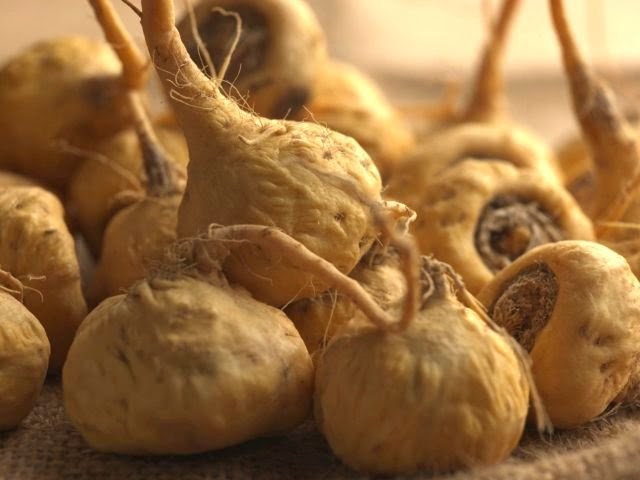
Lepidium meyenii or maca is an herbaceous biennial plant or annual plant (some sources say a perennial plant) native to the high Andes of Bolivia and Peru. It is grown for its fleshy hypocotyl (actually a fused hypocotyl and taproot), which is used as a root vegetable and a medicinal herb. Its Spanish and Quechua names include maca-maca, maino, ayak chichira, and ayak willku.

The growth habit, size, and proportions of the maca are roughly similar to those of the radish and the turnip, to which it is related. The stem is short and lies along the ground, with only the tips curling up. The frilly leaves are born in a rosette at the soil surface, and are continuously renewed from the center as the outer leaves die. The off-white, self-fertile flowers are born on a central raceme, and are followed by 4-5 mm siliculate fruits, each containing two small (2-2.5 mm) reddish-gray ovoid seeds. The seeds, which are the plant's only means of reproduction, germinate within five days, given good conditions, and have no dormancy.

Maca is the only member of its genus with a fleshy hypocotyl, which is fused with the taproot to form a radish- or inverted-pear-shaped body roughly 10-15 cm long and 3-5 cm wide.

Maca is traditionally grown at altitudes of approximately 3,750-4,350 m (12,500-14,500 ft). It grows well only in very cold climates with relatively poor soil. Although it has been cultivated outside the Andes it is not yet clear that it has the same constituents or potency when this is done. Hypocotyls do not form in greenhouses or in warm climates.

For approximately 2000 years maca has been an important traditional food and medicinal plant in its growing region. It is regarded as a highly nutritious food and as a medicine that enhances strength and endurance and also acts as an aphrodisiac. Maca roots are eaten in various ways locally. It can be roasted or boiled in water to form a sweet dish. The dried roots can be mixed with milk to make porridge, or used as flour for baking. If fermented, a weak beer called “chicha de maca” can be produced. The leaves can be eaten as a vegetable, or as a salad, and taste similar to cress.

In addition to sugars and proteins, maca contains uridine, malic acid and its benzoyl derivative, and the glucosinolates, glucotropaeolin and m-methoxyglucotropaeolin. The methanol extract of maca tuber also contained (1R, 3S)-1-methyltetrahydro--carboline-3-carboxylic acid, a molecule which is reported to exert many activities on the central nervous system. The nutritional value of dried maca root is high, similar to cereal grains such as rice and wheat. It contains 60% carbohydrates, 10% protein, 8.5% dietary fiber, and 2.2% fats. Maca is rich in essential minerals, especially selenium, calcium, magnesium, and iron, and includes fatty acids including linolenic acid, palmitic acid, oleic acids, and 19 amino acids, as well as polysaccharides. Maca's reported beneficial effects for sexual function could be due to its high concentration of proteins and vital nutrients, though maca contains a chemical called p-methoxybenzyl isothiocyanate, which reputedly has aphrodisiac properties.

Small-scale clinical trials performed in men have shown that maca extracts can heighten libido and improve semen quality, though no studies have been performed on men with sexual dysfunction or infertility. Maca has not been shown to affect sex hormone levels in humans. In addition, maca has been shown to increase mating behavior in male mice and rats.

Maca works as an adaptogen, instigating the production of certain minerals essential to health, and analysis reveals a brain-powering profile of amino acids, minerals, sterols, and fatty acids. Because Maca is a vegetable rather than a medicine, it can safely be eaten in any quantity by men and women of any age group.

In Peruvian herbal medicine, the maca root is reported to be used as an immuno-stimulant, for anemia, tuberculosis, menstrual disorders, menopause symptoms, stomach cancer, sterility (as well as other reproductive and sexual disorders), and to enhance memory.

Maca has been known to be beneficial for:
  • Energy - by balancing the endocrine system - thyroid, pituitary, pancreas and adrenal glands.
  • Wellbeing, vitality, emotional balance and stamina
  • Change of life discomfort such as hot flushes, breast tenderness, sleeplessness, mood swings and brain fog.
  • Low Libido - Maca's aphrodisiac qualities increase sex drive and may relieve other low libido effects like decreased vaginal lubrication.
  • General menstrual irregularity - it is well known that menstrual irregularity, like short and long cycles, too little or too much bleeding, spotting, pain etc. can stem from poor nutritional absorption ie, Vit B6, magnesium, EFA's, which in turn upsets the body's delicate hormonal system. As Maca is a whole food organically grown it retains maximum nutritional value, unlike many of the foods on the supermarket or green grocer’s shelf.
  • Healthy Fertility - Pregnancy demands extra nutrients for a healthy baby. Unfortunately, many of today's women are overworked, stressed and/or have a long history of taking the Birth Control Pill find that their fertility is compromised. Eating Maca Powder can be an affordable, excellent nutritional addition to every woman’s diet. Peruvian women start to take maca at the age of three, then gradually include it as a staple part of their diet. They are fertile well into later life.


Read More...

12/17/2014

Tribulus Terrestris an Aphrodisiac

Leave a Comment
tribulus terrestris aphrodisiac

Tribulus terrestris is a flowering plant in the family Zygophyllaceae, native to warm temperate and tropical regions of the Old World in southern Europe, southern Asia, throughout Africa, and in northern Australia. It can thrive even in desert climates and poor soil.

Like many weedy species, this plant has many common names. Puncture Vine, Caltrop, Yellow Vine, Gokshura, and Goathead are the most widely used; others include automobile-weed, bindy eye, bindii, bullhead, burnut, burra gokhroo, calthrops, cat's head, common dubbeltjie, devil's thorn, devil's weed, doublegee, dubbeltje, ground bur-nut, isiHoho, land caltrop, Maltese cross, Mexican sandbur, puncture weed, rose, small caltrops, sticker, tackweed, and Texas sandbur (also T. micrococcus).

It is a tap-rooted herbaceous perennial plant that grows as a summer annual in colder climates. The stems radiate from the crown to a diameter of about 10 cm to over 1 m, often branching. They are usually prostrate, forming flat patches, though they may grow more upwards in shade or among taller plants. The leaves are pinnately compound with leaflets less than a quarter-inch long. The flowers are 4–10 mm wide, with five lemon-yellow petals. A week after each flower blooms, it is followed by a fruit that easily falls apart into four or five single-seeded nutlets. The nutlets or "seeds" are hard and bear two sharp spines, 10 mm long and 4–6 mm broad point-to-point. These nutlets strikingly resemble goats' or bulls' heads; the "horns" are sharp enough to puncture bicycle tires and to cause painful injury to bare feet.

Tribulus terrestris has long been a constituent in tonics in Indian ayurveda practice, where it is known by its Sanskrit name, "gokshura." It’s also used in traditional Chinese medicine for the treatment of various ailments and, most especially, the improvement of men’s sexual functions.

It is now being promoted as a booster for the purpose of increasing sex drive. Its use for this purpose originated in Eastern Europe in the 1970's. Independent studies have suggested that Tribulus terrestris extract slightly increases hormone levels, though leaving them in the normal range.

Some have compared the tonic properties of Tribulus terrestris to the effects of ginseng, but these occur due to entirely different mechanisms. It is also claimed that Tribulus terrestris increases testosterone by increasing gonadotropin-releasing hormone (GnRH) which in turn stimulates the production of LH and follicle-stimulating hormone (FSH). Testosterone, besides its role in muscle-building and raising fertility and libido, is also known to have a positive effect on bone marrow activity (for red blood cell production) and the immune system.

Read More...

12/14/2014

Muira Puama an Aphrodisiac

Leave a Comment
muira puama aphrodisiac

Also referred to as “potency wood”, “marapuama”, and “Potenzholz”; Muira Puama (Ptychopetalum Olacoides) is a native shrub with white flowers found in Brazil and the Amazon forest area. Reaching up to 5 meters in height and produces pungent flowers with a jasmine like fragrance, it grows abundantly across the Amazon River basin. There are only two species of small trees under the genus, Ptychopetalum. One variety, P. olacoides, grows in the tropical parts of America, Brazil, French Guiana, Guyana, and Suriname. The P. uncinatum is found only in Brazil.

For many decades, Muira Puama has been used as medicine owing to its parts which have medicinal and healing properties. The indigenous people living in the Amazon basin have been using Muira Puama as a healing medicine. The stems and roots of young plants were used as tonics to treat neuromuscular problems. The natives also used a root concoction in baths and massages. It was believed to have therapeutic effects on paralysis and beriberi. It also helps with gastrointestinal and reproductive disorders, stress and trauma. Besides its long history as a therapeutic herb, Muira Puama is well known for its aphrodisiac qualities that significantly improve erectile function and sexual desires.

The short term effects of Muira Puama include increasing the blood flow to the pelvic area, aiding erections in men as well as improved sensation and orgasm in women. Longer term use enhances the production of sex hormones in both sexes. It has no noted side effects though, as with many sexual stimulants, it can slightly raise blood pressure. French studies showed that Muira Puama seemed to improve libido and sexual function. Scientists also believe that this herb increases testosterone levels, though this has not yet been clinically proven. Dr. Jacques Waynberg, a world authority on sexual functioning of the Institute of Sexology in Paris, showed that it is effective in increasing sexual desires as well as attaining and maintaining an erection.

A clinical study with 262 patients complaining of lack of sexual desire and the inability to attain or maintain an erection demonstrated Muira Puama extract to be effective in many cases. Within 2 weeks, at a daily dose of 1 to 1.5 grams of the extract, 62% of patients with loss of libido claimed that the treatment had dynamic effect while 51 percent of patients with "erection failures" felt that Muira Puama was of benefit. Presently, the exact mechanism of action of this herb is still under investigation. The action of muira puama is not fully understood, but from the preliminary information, it appears that it works on enhancing both psychological and physical aspects of sexual function.

Another study investigated the possibility of Muira Puama and Ginkgo biloba as alternatives to chemical medication in the treatment of sexual dysfunction in healthy women. The efficacy of the unique formulation of the two herbal aphrodisiac was assessed in 202 healthy women complaining of low sex drive. Various aspects of their sex life were rated before and after 1 month of treatment with Muira Puama. Responses to self-assessment questionnaires showed significantly higher scores from baseline (before treatment) in 65% of the women after taking the formulation. Statistics showed that significant improvements occurred in their frequency of sexual desires, sexual intensity of sexual desires, ability to reach orgasm, and intensity of orgasm.

More discoveries about the healing properties of Muira Puama plant were uncovered due to the advance in modern science. It was found that the root and bark of the plant is rich in fatty acids and fatty acid esters, especially behenic acid. It also has lots of essential oils, including beta-caryophyllene and alpha-humulene, plant sterols, triterpenes with lupeol, and a new alkaloid, which they named muirapuamine. All these components were reported to be the ones responsible for all the therapeutic benefits of the Muira Puama plant.

Muira puama is considered a safe herb; whereas another herbal sexual stimulant called yohimbine can induce anxiety, panic attacks, and hallucinations in some individuals, as well as elevated blood pressure, high heart rate, dizziness, headache, and skin flushing.

Many clinical trials were conducted to prove the medicinal benefits of the plant. And while many people are skeptical about sexual stimulants or "herbal viagra", like Muira Puama, could treat impotency, one study was able to prove that treatment using the plant could result in a positive effect. In Brazil, the plant was reported to have a permanent effect in locomotor ataxia, neuralgias of long standing chronic rheumatism, and partial paralysis. Research also showed that an extract from the root is effective in treating disorders affecting the central nervous system and relieving physical and mental fatigue.

Today, Muira Puama is being used and known worldwide. This popularity of the plant was due to the early European explorers who brought Muira Puama back with them to their respective countries when they knew of its many benefits. Today, the plant is listed in the British Herbal Pharmacopoeia, a noted herbal medicine source from the British Herbal Medicine Association. In Europe alone, Muira Puama is used to treat impotence, infertility, nerve pain, menstrual disturbance, and rheumatism. Germany also adopted this plant and used it for hookworms, while in the United States, traditional herbalists and health practitioners used it to relieve central nervous system disorders.

Read More...

12/11/2014

Tongkat Ali an Aphrodisiac

6 comments
tongkat ali aphrodisiac

Eurycoma longifolia (aka, long jack or Tongkat Ali or Pasak Bumi) is a flowering plant in the family Simaroubaceae, native to Indonesia and Malaysia. It is a small evergreen tree growing to 15 m (49 ft) tall, with spirally arranged, pinnate leaves 20-40 cm (8-16 inches) long with 13-41 leaflets. The flowers are dioecious, with male and female flowers on different trees; they are produced in large panicles, each flower with 5-6 very small petals. The fruit is green ripening dark red, 1-2 cm long and 0.5-1 cm broad.

It is traditionally used for the treatment of malaria, high blood pressure, diarrhea, boils, ulcer, tuberculosis, jaundice, dysentery, fever and loss of sexual desire. However, the plant is a traditional secret of Malays as a booster for strength, stamina and possibly immunity. The first documentation on tongkat ali was done in 1939 in the Dictionary of Malaysian Medicine. It is the roots of at least a 7-year old plant that is harvested. It is said that tongkat ali is five times more potent than ginseng.

Tongkat Ali was dubbed the "Asian Viagra" in a May 1999 report in the New Sunday Times.

Scientific studies suggest that tongkat ali appears to work by increasing levels of the hormone testosterone. The “British Journal of Sports Medicine” published the results of a scientific study in 2003, which showed that Eurycoma longifolia caused increased muscle strength and size because of its “testosterone-boosting” properties. Because of this, some athletes and body builders now use Tongkat Ali extract in the hope that it will act as a testosterone-booster, to improve muscle size, strength, and performance without drugs. Tongkat ali is also studied for its action against lung and breast cancer as well as anti-malarial activity (the original traditional use). This could be attributed to the presence of phytochemicals called quassinoids and diterpenoids. It also contains an anti-oxidant called super-oxide dismutase.

Tongkat ali is now a very popular natural product for increasing libido, enhancing orgasm, voluntary control of sexual performance, enhanced energy and stamina; providing the natural solution to erectile dysfunction in a gradual and safe manner. Animal studies have shown that tongkat ali produces androgenic (male hormone property) effects similar to testosterone treated animals. It can also produce arousal, libido and sexual motivation in sluggish, old rats. Tongkat ali appears to stimulate the availability of endogenous testosterone (natural testosterone content of the body).

Tongkat ali is the natural supplement that has the property to effect a complete improvement in testosterone level. This improvement in testosterone is reported to be achieved in two weeks of intake; bringing back the normal level that has declined with age. (Normal testosterone levels maintain energy level, mood, fertility, and sexual desire.) These imply that tongkat ali acts naturally in the body and achieves a level of testosterone needed for a successful male sexual performance. For the men who are infertile due to problems with the quality of their sperm, Tongkat ali can raise the amount of available testosterone that will help in improve the morphology, activity (motility) and count of sperms.

Read More...

12/09/2014

Damiana an Aphrodisiac

Leave a Comment
damiana aphrodisiac

Damiana, of the Turneraceae plant family, is a small aromatic shrub that reaches a height of 4 to 6 feet with small yellow flowers that bloom in summer and are followed by small fruits with a fig-like taste. It grows on dry, sunny, rocky hillsides in south Texas, Southern California, Mexico, and Central America. The two species used in herbal healing, both of which are referred to as damiana, are Turnera aphrodisiaca and Turnera diffusa. Its pale green leaves, which turn yellow-brown when dried, are 0.5–1 in (15–25 mm) long and quite narrow. They have serrated (jagged) edges. The leaves and sometimes the stems of the plant have traditionally been made into a tea which was used by native people of Central and South America for its reputed aphrodisiac effects. Other names for damiana include old woman's broom, Mexican damiana, pastorata, hierba del venado, oreganello, and the bourrique.

In herbal medicine, damiana is used to treat conditions ranging from coughs, to constipation, to depression. The herbal supplement is reputed to help with energy, emphysema, low estrogen, frigidity, hot flashes, impotence, infertility, menopause, Parkinson's disease, PMS, inflammation of prostate, Lou Gehrig's disease, and more dealing with reproductive organs in both males and females.

As an aphrodisiac the Mayas used it more specifically as a remedy for "giddy" love, as an herbal medecine for focusing sexual energies than for creating them. Damiana seems to have a positive toning effect on both the nervous system and sexual organs, especially when combined in equal parts with saw palmetto berries. Some users of the combination tea (damiana and saw palmetto) report that, when taken an hour or so before sexual activity, it helps produce a more satisfactory experience. The best results seem to be obtained when damiana is taken in moderation over a period of time. Using the tea one cup per day for two weeks seems to have stimulating effects on sexual performance.

Also classified as a nerve tonic, damiana benefits the genitourinary, gastro-intestinal and renal tracts by helping tone the mucous surfaces to provide increased sensitivity in the genitals which helps improve the reproductive activities.

A popular aphrodisiac for men, it has also been used by numerous people for the purpose of enhancing orgasms in women because of the claims that it is more effective in women than in men.

Damiana contains estrogenic substances which can be beneficial to the health of men as well as women. In some scientific studies, it has been shown that regardless of the age of adult men, higher estrogen levels mean protection against heart disease and stroke.

In women, the consumption of phytoestrogens can even result in more sexual appetite. This is thought to happen because phytoestrogens are weaker than the estrogens produced by a woman's ovaries. When phytoestrogens attach themselves to estrogen binding sites, they block, to a certain extent, a woman's own estrogens thus tilting a woman’s estrogen / testosterone balance slightly in favor of testosterone.

It has been known for decades that both sexes produce both so-called sex hormones, estrogens and testosterone (with the main estrogen, estradiol, actually metabolized from testosterone by the enzyme aromatase). However, men's testosterone levels are about ten times as high as those of women.

In both sexes, testosterone is essential for sex drive. Men lacking in testosterone usually are sexually sluggish or impotent, while raising the testosterone levels in women just slightly can make a very, very big difference for sexual appetite.

You should not expect a dramatic reaction when using damiana as an aphrodisiac. Its effects are more subtle and cumulative. Whether taken as a tea or liqueur, damiana is an easy, inexpensive way to spice up your love life.

Read More...

12/07/2014

Ginkgo Biloba an Aphrodisiac

Leave a Comment
ginkgo biloba aphrodisiac

The Ginkgo (Ginkgo biloba; '銀杏' in Chinese), frequently misspelled as "Gingko", and also known as the Maidenhair Tree, is a unique tree with no close living relatives. It is classified in its own division, the Ginkgophyta, comprising the single class Ginkgoopsida, order Ginkgoales, family Ginkgoaceae, genus Ginkgo and is the only extant species within this group. It is one of the best known examples of a living fossil. Ginkgoales are not known in the fossil record after the Pliocene, making Ginkgo biloba a living fossil.

For centuries it was thought to be extinct in the wild, but is now known to grow in at least two small areas in Zhejiang province in eastern China, in the Tian Mu Shan Reserve. However, ginkgo trees in these areas may have been tended and preserved by Chinese monks for over 1000 years. Therefore, whether native ginkgo populations still exist is uncertain.

The (older) Chinese name for this plant is 银果 yínguo ('silver fruit'). The most usual names today are 白果 bái guǒ ('white fruit') and 銀杏 yínxìng ('silver apricot'). The latter name was borrowed in Japanese (as ichō) and Korean (as eunhaeng), when the tree itself was introduced from China. It has been cultivated extensively for both ceremonial and medical purposes.

The scientific name Ginkgo has been explained by a folk etymology. Chinese characters typically have multiple pronunciations in Japanese, and the characters 銀杏 used for ichō can also be mistakenly pronounced ginkyō. Engelbert Kaempfer, the first Westerner to see the species in 1690, wrote down this incorrect pronunciation in his Amoenitates Exoticae (1712); his y was misread as a g, and the misspelling stuck.

The extract of the Ginkgo leaves contains flavonoid glycosides and terpenoids (ginkgolides, bilobalides) and has been used pharmaceutically. It has many alleged nootropic properties, and is mainly used as memory and concentration enhancer, and anti-vertigo agent. However, studies differ about its efficacy. Out of the many conflicting research results, Ginkgo extract seems to have three effects on the human body: it improves blood flow (including microcirculation in small capillaries) to most tissues and organs; it protects against oxidative cell damage from free radicals; and it blocks many of the effects of PAF (platelet aggregation, blood clotting) that have been related to the development of a number of cardiovascular, renal, respiratory and CNS (Central Nervous System) disorders. Ginkgo can be used for intermittent claudication.

Currently, the herb is most commonly used to improve brain function, particularly for relieving symptoms of dementia, including Alzheimer's disease. Ginkgo biloba also is recommended by physicians, herbalists and naturopaths for a wide variety of complaints, from tinnitis (ringing in the ears) to headache, allergy, Raynaud's syndrome and even depression. A standardized extract of ginkgo leaves is one of the most widely prescribed remedies in Europe, where it is used for conditions ranging from erectile dysfunction, premenstrual bloating, to high-altitude sickness.

Being the oldest surviving tree on earth, Chinese herbalists consider ginkgo as a longevity drug (one that restores youthful vitality), and an aphrodisiac.

Various researches were right about their findings that this tree’s extract can improve the blood circulation in the body; hence it is well known and regularly used by body builders as it increases blood flow to the muscles. Surprisingly there seem to be additional sexual benefits, as users have also noticed an improvement in sexual function, 84% of men with sexual dysfunction produced by taking anti-depressants, said their situation improved after taking Ginkgo. 91% of women reported that Ginkgo improved all aspects of their sex lives. Again this could possibly be down to improved blood circulation since lack of adequate blood flow to the genital organs is a root cause of impaired performance in both sexes.

If they were right, a vastly under-appreciated "natural," non-prescription alternative to Viagra has been sitting on pharmacy and health-food store shelves, timidly promoted by most manufacturers as an aid to alertness and short-term memory.

Read More...

12/03/2014

Yohimbine, or Yohimbe, an Aphrodisiac

5 comments
yohimbine aphrodisiac

Yohimbine is also known under the outdated names quebrachin, aphrodin, corynine, yohimvetol and hydroergotocin. It is the principal alkaloid of the bark of the West-African tree Pausinystalia yohimbe Pierre (formerly Corynanthe yohimbe), family Rubiaceae (Madder family), an evergreen forest tree native to southwestern Nigeria, Cameroon, Gabon and the Congo. There are 31 other yohimbine alkaloids found in Yohimbe.

Yohimbine is a selective competitive alpha2-adrenergic receptor antagonist and is used for dilating the pupil of the eye, and has been used to treat erectile dysfunction. It is claimed to be an aphrodisiac, and is also used as a weight loss supplement as it increases noradrenaline (norepinephrine) levels.

It is a monoamine oxidase inhibitor. It is a true aphrodisiac since it increases arousal in sexually inexperienced male rats, facilitates copulation in sexually naïve males and increases sexual activity in males that were previously sexually inactive. It has been used as a possible treatment for organic, psychogenic and substance induced erectile impotence and other male sexual dysfunctions. Its effect on male sexual performance is possibly related to its peripheral autonomic nervous system effects. It increases blood flow to erectile tissues and may increase testosterone levels. Currently, it is assumed that Yohimbine exerts its erectogenic effect through a central action.

Current researches show it is a vasodilator, which means that it increases blood flow to the extremities and appendages. It does this via an indirect mechanism of increasing the release of noradrenaline.

A word of caution before using it though, its side effects include elevated blood pressure and heart rate, irritability, headache and dizziness. Many in the medical profession regard yohimbine to be a potential health risk and advise people not to take it.

Read More...

11/29/2014

Nettle an Aphrodisisiac

Leave a Comment
nettle aphrodisiac

Nettle is the common name for any of between 30-45 species of flowering plants of the genus Urtica in the family Urticaceae, with a cosmopolitan though mainly temperate distribution. They are mostly herbaceous perennial plants, but some are annual and a few are shrubby.

A tasty green food your body recognizes, the “stinging nettle” (Urtica dioica or urens) is a weed native to Europe, Asia, as well as North America. (Various unrelated plants are sometimes also called nettles -- the Old World nettle trees of the elm family, and the prickly horse nettle of the nightshade family) The shoots grow from two to three feet, to as high as 10', and flourish in soils that are high in nitrogen. All nettles sting, but thankfully their stinging properties disappear once they've been dried or cooked. As they are used throughout Europe, nettles make a valuable tonic after the long winter months because they provide a potent natural source of a number of vitamins and minerals. Formic acid ("fire ants" use this to sting you) in nettle leaves is what makes them sting, along with histamine. (Ironically, though, they're useful in combating allergies).

Nettles enjoy a rich folkloric history both general (as a spring tonic) and specific. Among the more esoteric uses: as a cure for baldness, bedwetting (eaten in cakes), an aphrodisiac (seeds mixed into jam), and as a cure for fear (when held in the hand, along with a sprig of yarrow). Urtication-the process of flailing yourself with nettles -- originally introduced to England by Roman soldiers who thought they'd need to do it to keep warm -- is a folk practice still used today by people suffering from arthritis and even M.S. By deliberately applying stinging nettles to their skin, it provokes inflammation. Through this process, the pain of the sufferers is relieved temporarily.

For many, consuming nettles raw, cooked in soup, as tea, salad or in capsule form, has become a springtime tradition, hence nettles association with spring time. It is a form of cleansing which for some consumes the phlegmatic superfluities which winter has left behind.

Nettles are fantastically high in vitamins A and C, and rich in nutrients, including calcium, choline, magnesium, boron, iron, iodine, silica, sulfur, potassium, chlorophyll, histamine, serotonin, glucoquinones, bioflavonoids, tannins and amino acids. They're unusually high in protein (40%) for a plant. And because they're so nutrient-dense, they make a good overall tonic for strengthening the body and an effective traditional treatment for scurvy.

It is also believed to be a “galactagogue” (an agent that promotes the secretion and flow of milk), and a clinical trial has shown that its juice is diuretic in patients with congestive heart failure. Nettle extract is also useful in treating anemia, their high vitamin C content helps ensure that the iron is properly absorbed by the body. Besides anemia, the extracts can also be used to treat hay fever and kidney problems.

Fresh nettle, specifically Urtica Dioica, is used in folk remedies to stop all types of bleeding, due to its high Vitamin K content. Meanwhile, in dry Urtica Dioica, the Vitamin K is practically non-existent, and so is used as a blood thinner.

Nettle is used in hair shampoos to control dandruff, and is said to make hair more glossy, which is why some farmers include a handful of nettles with cattle feed. Stories during the 1800s about fraudulent practices of some horse peddlers in Europe include using 1-2 handfuls of nettle seed a day mixed to their horses’ feeds for two weeks which would explain its unexplainably shiny pelts and youthful appearance when they take it to the market. Of course, this gave them the reason to sell it in a handsome price and it did get sold. The youthfulness of course disappeared once the animals got to their new homes - no nettle seed.

Amongst its many properties, the nettle’s extract has lately been shown to influence prostate health and prevention of prostate conditions, especially prostatitis, which is an inflammation of the prostate gland. Nettle root extracts have been extensively studied in human clinical trials as a treatment for symptoms of benign prostatic hyperplasia (BPH). These extracts have been shown to help relieve symptoms compared to placebo both by themselves and when combined with other herbal medicines.

A highly concentrated extract from the nettle root provides a unique mechanism for increasing levels of free testosterone. Recent European research has identified constituents of nettle root that bind to SHBG (sex hormone binding globulin) in place of testosterone, thus reducing SHBG's binding of free testosterone. As the authors of one study state, these constituents of nettle root "may influence the blood level of free, i.e. active, steroid hormones by displacing them from the SHBG binding site." Due to this, body builders have been using certain extracts of nettle in an effort to increase free testosterone by occupying sex-hormone binding globulin.

Nettle’s aphrodisiac effect was perhaps due to its ability to increase free testosterone. Free testosterone stimulates sex cell receptor sites in the brain hence an increase of sexual response and functions for both men and women. Furthermore, its richness in nutrients and other essential vitamins and minerals enhance the workings of one’s overall health thus minimizing the other health conditions that inhibit proper sexual functions. Additionally, nettle extract is also believed to work as an adaptogen. It helps with the general stress response, they strengthen the adrenals, and they're loaded with minerals and trace elements.

Read More...

11/26/2014

Aniseed as an Aphrodisiac

Leave a Comment
anise aphrodisiac

Anise or Aniseed, less commonly anís (stressed on the first syllable) (Pimpinella anisum) is a flowering plant in the family Apiaceae, native to the eastern Mediterranean region and southwest Asia. It is a herbaceous annual plant growing to 50 cm tall. The leaves at the base of the plant are simple, 2-5 cm long and shallowly lobed, while leaves higher on the stems are feathery pinnate, divided into numerous leaflets. The flowers are white, 3 mm diameter, produced in dense umbels. The fruit is an oblong dry schizocarp, 3-5 mm long.

Its other names are Anise, Aniseed, Sweet Cumin, star anise, Chinese anise, and illicium. Its seed, leaves, oil, and anethole are what it is commonly valued for.

Anise leaves are used to treat digestive problems, to relieve toothache, and its essential oil is used to treat lice and scabies. In India, aniseed (Saunf in Hindi ) is also used as mouth freshener. It is also used for flavoring some foods.

Historically, this herb had been used for many centuries. The ancient Greeks, including Hippocrates, prescribed it for coughs. Ancient Romans used Anise in a special cake that concluded their enormous feasts. Historically, the herb was used because of its flavor (licorice flavor), as an aid for digestion, as an aphrodisiac, for colic and to combat nausea.

Ancient Chinese physicians used the herb as a digestive aid, flatulence remedy, and breath freshener. Early English herbalists recommended the herb for hiccups, for promoting milk production for nursing mothers, for treatment of water retention, headache, asthma, bronchitis, insomnia, nausea, lice, infant colic, cholera, and even cancer.

This wonder herb, which belongs in the same botanical family as parsley and carrots, have a number of functional properties such as antibacterial, antifungal, antioxidant, stimulant, carminative and expectorant. But what about its aphrodisiac properties?

Because of its aromatic and countless medical properties, it was traditionally considered as an aphrodisiac. The ancient Greeks and Romans believed that you could increase desire by sucking on anise seeds. Also, its sweet, licorice taste is believed in many cultures to stimulate the libido and increase desire. It also contains estrogenic compounds (female hormones) which have been reported to induce similar effects to testosterone hence an increase in male potency and libido.

Read More...

11/25/2014

Salep Aphrodisiac

1 comment
This summary is not available. Please click here to view the post.
Read More...

11/23/2014

Aromatherapy as Aphrodisiac

Leave a Comment
aromatherapy aphrodisiac

Aromatherapy is the use of volatile liquid plant materials, known as essential oils (EOs), and other scented compounds from plants for the purpose of affecting a person's mood or health. Aromatherapy is a generic term that refers to any of the various traditions that make use of essential oils sometimes in combination with other alternative medical practices and spiritual beliefs. It has a particularly Western currency and persuasion. Medical treatment involving aromatic scents may exist outside of the West, but may or may not be intended by the term 'aromatherapy'.

Aromatherapy has roots in antiquity with the use of aromatic oils. However, as currently defined, aromatherapy involves the use of distilled plant volatiles, a twentieth century innovation. The word, aromatherapy, was first used in the 1920s by French chemist René Maurice Gattefossé, who devoted his life to researching the healing properties of essential oils after a lucky accident in his perfume laboratory. In the accident, he lit his arm on fire and thrust it into the nearest cold liquid, which happened to be a vat of lavender oil. Immediately he noticed surprising pain relief, and instead of requiring the extended healing process he had experienced during recovery from previous burns--which caused redness, heat, inflammation, blisters, and scarring--this burn healed remarkably quickly, with minimal discomfort and no scarring.

---Wikipedia
Aromatherapy is not only used to aid in the healing of illnesses and/or calming of the senses and the mind to relax, it can also be used as an aphrodisiac to set the mood for making love. Aphrodisiac aromatheraphy utilizes flowers most of the time. Every ancient culture has well documented the specific effects of flowers in the human libido. From the Egyptians and Romans to the Sumerians and Aztecs—sunflowers, peppermint, jasmine, lilies, and of course, roses—have populated the realm of romantic indulgence. The reason is not certain but perhaps it has something to do with the thought that flowers are the sexual representation of the plants. Logan Pearsall Smith pointed out in the late 1800s that flowers are the sex organ of the plant. Talk about phallic representation.

In order to raise our libido, we have to first raise our body temperature. The aphrodisiac essential oils are mostly warm, rich aromas, such as those that come from spices and certain flowers. Aphrodisiac aromatherapy can be tricky. It may take calculation. What one person loves, another might find ghastly, but on a very basic level aromatherapy is a natural aphrodisiac that works to calm, soothe, stimulate and reduce stress, or negative energy. Because impotence and frigidity is most often associated with stress, emotion and psychology, plants that work to calm and soothe while actively stimulating hormonal production and reducing stress and anxiety are key elements in an active and healthy sex life.

Flower aromas can have strong psychedelic effect if not used appropriately but in moderation it is mild and aids in sexual health by improving the mental and physical aspect of the one smelling it. Some flowers though can have both an aphrodisiac effect through its aroma and/or via its connotation with lust, beauty, and pleasure.


Aromatic Aphrodisiac Stuffs

Rose. What can be more romantic than a rose, especially if it is red? The essential oil from red roses is a strong aphrodisiac. It is said that Cleopatra used to take bath with milk and rose petals.

Jasmine. The queen of the night in India. This wonderful fragrance has proven to have sensual effects in humans. It has been found that Jasmine stimulates our senses without any negative side effects. This very expensive and rare essential oil has been used as an aphrodisiac for hundreds of years in India. Women in India use it in their hair at night so that their husbands will be drawn to them to make love. When elephants need some help to reproduce, it is said that the owners put jasmine oil on them to excite them. The fragrance alone, when it comes from good quality pure oils, is exquisite. Altered or artificial versions do not have the same aroma and effect.

Lavender. Lavender dates as far back as the early Egyptians, and the ancient Greeks used lavender to fight insomnia, insanity, and aching backs. During the Middle Ages, Benedictine monks used lavender as a medicine and a remedy against the Plague, while London peddlers sold it as a charm against evil. Lavender was thought to be a magical aphrodisiac. It could stimulate the senses while simultaneously relaxing the mind, putting the body into a unique and uncommonly comfortable state of pleasure.

Vanilla. The sweet aroma of vanilla also has aphrodisiac effects. It is subtle, but certainly it cannot be ignored. It was so precious to the pre-Colombian Indians that they considered it suitable for their Gods.

Ginger. This spice raises the body temperature and adds sizzling flavor to any foods and not many people will connect ginger and romance. It is used in creams for the bride to be in many countries in South Asia. The tangling flavor of ginger can be easily used to enhance the flavor of teas, drinks, and of course, Asian curries.

Lilies. These flowers have a very basic romantic quality, deriving their lustful nature from their simple beauty and purity. Since ancient times, lilies have been used in cuisine. The Romans would sprinkle roses and lilies on their food, the table, and over entire banquet halls. They can be eaten fresh, dried, crystallized or even sugared for decorating candies and cakes, and they can be added to salads, be infused into teas, and prepared with sauces, jellies and oils. The Greeks associate the lily with their goddess Hera, telling that the lily first sprouted from the milk of this divinity. It has also been said that Roman soldiers ate the bulbs for nutrients and that it was used as a salve for wounds and an ointment for burns.

Ylang ylang. This floral aroma comes from China and other Asian countries. By itself, it is very sweet, sometimes too sweet, but combine it with other essential oils and it creates great blends.

Peppermint. Peppermint is another out-of-the-ordinary plant served as an aphrodisiac. Peppermint is said to stimulate passion. It has also been heard that it increases activity of the imagination and creativity, as well as enhancing dreams. Peppermint contains several of the superior sex vitamins, but the most important is vitamin D, which is responsible for hormone reproduction.

Clove. Cloves also raise our body temperature. Cloves have a very distinctive and rich aroma. Combine with other aromas and it creates very rich fragrances.

Sunflower. Sunflowers are the symbol of the sun, deriving their life from the same energy that the planet and all its life forms breathe life from as well. Apollo, the Greek god of the sun, was like his father, Zeus. His lust for beauty and nymphs, and his enjoyment in female companionship added to his conquests, which numbered in the dozens. Sunflowers are versatile; their petals can be eaten or infused with tea and their seeds can be dried and eaten. Sunflowers contain chlorogenic acid, vitamin E and iron, all of which are essential nutrients in promoting sex drive and sexual health. Vitamin E is responsible for oxygenating your blood, while iron keeps your blood healthy and efficient. Stimulation of blood in your sex organs is a vital aspect of gratification, so healthy blood is important.

These are the essential aromatic and therapeutic aphrodisiacs that you can use to make you feel good and attract your partner. They are well-known and easy to use. You can use them in candles, oil burners, massage oils, bath oils, and even cooking, depending on your preference.

Read More...

11/21/2014

Love Spells for Lost Love

4 comments
love spell for lost love

For people who still loves their exes or have partners who suddenly left without saying goodbye or any form of closure, here are some love spells that I found from the net to give you a chance to return your special someone who has gone off in search of a new love, or is currently in a new relationship. Yes, they are genuine love spells but they are not the type where you get dire consequences in case you messed up, although they do have quite some little bad effects in case you’re too stupid to play with it around. So, do it at your own risk. And make sure also that you really feel it important and sincere in your heart to have the person you loved and craved for back to you.


Prayer to Saint Anthony (Catholic Patron Saint of Lost Things)

It’s Saint Anthony of Padua who lived from 1195-1231 we are dealing with here. He was a Franciscan monk born in Portugal and then lived in Morocco before finally settling in Padua. He was known as an eloquent speaker. Prayer cards manufactured in Italy identify him as the saint of "miracles," but to most Catholics, he is the patron saint associated with the return of lost things and missing persons or, in your case, love.

Typically, people, usually Catholics, recite this prayer to him for the return of what they lost:
Blessed be God in His Angels and in His Saints.
O Holy St. Anthony, gentlest of Saints, your love for God
and Charity for His creatures made you worthy, when on
earth, to possess miraculous powers. Miracles waited on
your word, which you were ever ready to speak for those in
trouble or anxiety. Encouraged by this thought, I implore
of you to obtain for me (request). The answer to my prayer
may require a miracle. Even so, you are the saint of
Miracles.
O gentle and loving St. Anthony, whose heart was ever full
of human sympathy, whisper my petition into the ears of the
Sweet Infant Jesus, who loved to be folded in your arms, and
the gratitude of my heart will ever be yours.
Amen. (Say 13 Paters, Aves, and Glorias)

But according to some sources, you can utter another invocation which can have the same effect:
St. Anthony, St. Anthony
Please come down
Something is lost
And can't be found

Or this:
Dear St. Anthony, I pray
Bring it back, without delay.

Or maybe this:
Something's lost and can't be found
Please, St. Anthony, look around.

When you say these incantations, of course, it should be clear in your mind and heart what you’re petitioning Saint Anthony to return to you and not some things you just did in a party you’ve been at a while ago.

Argument Curing Spell

If you had a fight, an argument, or whatever untoward miscommunication that separated you for just a while you can use this spell to have both of you make-up with each other with your bitter feelings changing for the better.

You will need any purple object, preferably a candle, and the picture of your loved one you wish to make-up with.

Wrap the picture around the purple object with the picture facing the object (its white backside is exposed outside) then tie it so it doesn’t get loose. If the object’s bigger than the picture with a flat surface, you can put the picture face down on it instead. If it’s a candle you can light the candle. Within 24 hours, the bitter feelings would have surely eased out. In no sooner time, you and your loved one will be offering one another apologies and make-up. If you haven’t heard from them after about a day when you did this spell, maybe you can give them a call or go see them. Rest assured everything will be calmer between the two of you.

Return Lost Love Spell

You’ll need six candles; one for each color -- red, blue, green, yellow; and two for pink. Light them according to their corresponding positions (put them first in their corresponding corners before lighting them): red = south, green = north, yellow = east, blue = west. Get inside the four candles and hold the two pink candles then light them. Face the red candle and recite until you feel you’ve done enough already:
"Beautiful Goddess, powerful God, hear my prayer! Lords of fire, burn my desire, times three If it is meant to be, Bring *NAME* back to me."

The Mantra of Love

Write in a paper “*YOUR NAME* loves *YOUR BELOVED’S NAME*”. Say it in reverse, meaning all the letters in reverse and not just the sequence of the words. Then write the reversed words in a new paper with a green ink, crayon, or pencil, whichever without spaces (all the letters go together). You must carry with you these papers all the time, the longer the more potent the spell is. Every day, you must take out the paper written in green and recite it seven times in a screaming volume. Recite it letter per letter as in “N, E, L, L, E, etc, etc.” If you’re smart enough, do it in a place where no one will mind what the heck you’re doing. But, if you can take the thought that they consider you as a crack pot, well, by all means, you can just forget that I warned you. Always take note that you should take out the paper where the reversed letters are written in green every time you recite it loudly. And don’t forget to carry with you also the one you wrote first.

This spell can also be used if you’re wishing to have a particular person fall in love with you.

The Photo Spell

This one’s not from the net but from those whom I asked who have, let’s say, quite a handy knowledge about these things. All you’ll need is a photo of the one you wish to return to you, a black cloth, and a red string.

Wrap the photo with the black cloth. Then, tie the red string around the wrapped photo. Prepare a special altar-like place where you could place the photo wrapped in black cloth and tied in red string. A cabinet top or a small table top will do. Place the photo with a candle beside it, any candle will do. Light the candle and say any prayer you want with the particular person you wish to be back to you in your mind. Always be sincere about your wish when you do this for the spell to be effective. After the prayer you can put-off the candle. Then, every time you go to bed, light up the candle and do the same prayer with the specific person you wish to come back in mind. Put out the candle after the prayer then place the photo under your pillow. Do this everyday and you’ll be meeting up with your long lost love soon enough.

They say the more you do it, the more this person you wish to be back will think and dream of you. It’s as if they can’t have a day without the thought of you. Try to contact them to add more pressure. When doing this, according to my sources, patience is always the key. They say people will not always be easily carried away by just dreams and simple remembering. Time is always a proven element that solves most things.


Read More...